Overcoming Financial Data Reporting Challenges

When it comes to managing finances, clear and accurate reporting is everything. Yet, many businesses find themselves tangled in a web of confusing numbers, inconsistent data, and slow reporting processes. I’ve been there, and I know how frustrating it can be. But here’s the good news - you can overcome these hurdles with the right approach and tools.
Let’s dive into how you can tackle common financial reporting challenges and turn your data into a powerful asset.
Understanding Financial Reporting Challenges
Financial reporting challenges are more common than you might think. They often stem from outdated systems, scattered data sources, or a lack of clear processes. These issues can lead to errors, delays, and ultimately, poor decision-making.
For example, imagine trying to prepare a monthly report when your data is spread across multiple spreadsheets and software platforms. It’s like trying to solve a puzzle with missing pieces. You waste time chasing down information instead of analysing it.
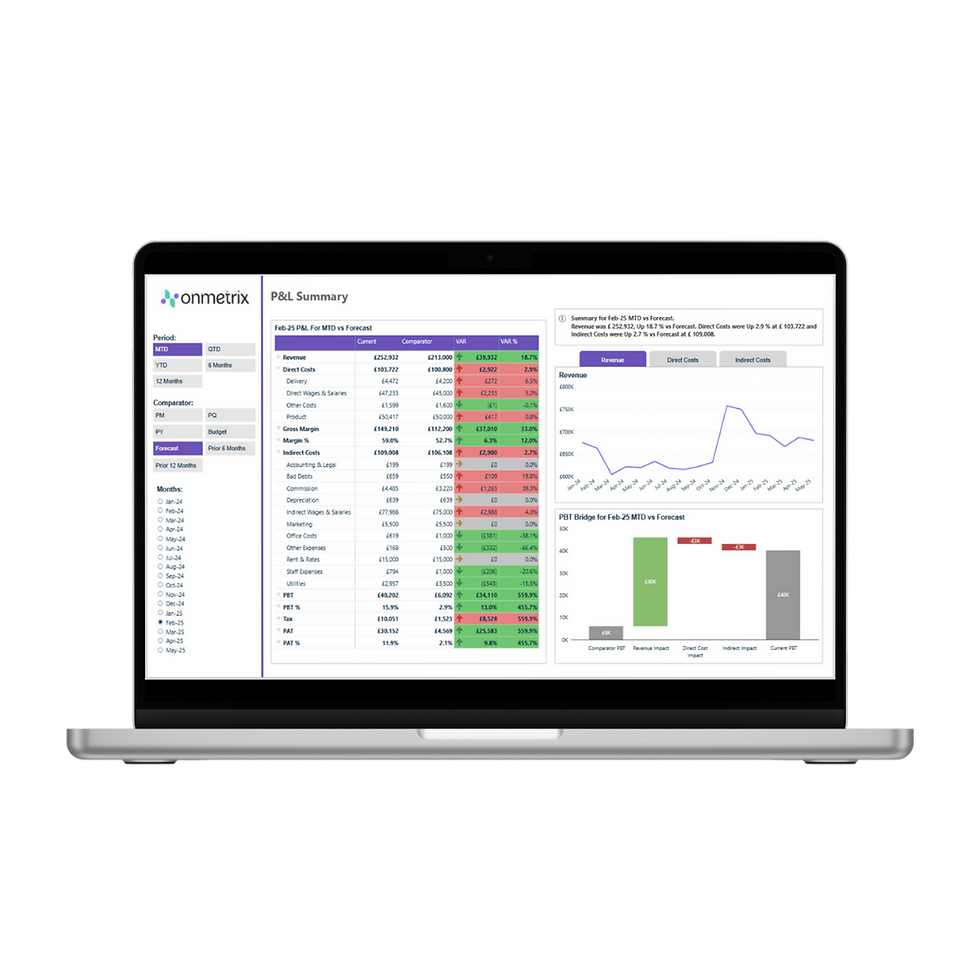
One way to address this is by centralising your data. Using a tool like Power BI can help you bring all your financial data into one place. This not only saves time but also improves accuracy and consistency.

By streamlining your reporting process, you free up your team to focus on what really matters - interpreting the numbers and making smart business decisions.
What are the challenges in reporting?
Let’s break down some of the most common challenges you might face:
Data Quality Issues
Poor data quality is a major roadblock. Inaccurate or incomplete data can lead to misleading reports. It’s essential to have checks in place to validate your data regularly.
Complex Data Integration
Financial data often comes from various sources - accounting software, CRM systems, payroll, and more. Integrating these can be tricky without the right tools.
Time-Consuming Processes
Manual data entry and report generation take up valuable time. This slows down your ability to respond quickly to financial trends.
Lack of Standardisation
Without standard templates and processes, reports can vary widely, making it hard to compare results over time.
Regulatory Compliance
Staying compliant with financial regulations requires up-to-date and accurate reporting. Mistakes here can be costly.
Addressing these challenges requires a mix of technology, process improvement, and team training.
How to Improve Data Quality and Integration
Improving data quality starts with understanding where your data comes from and how it flows through your systems. Here are some practical steps:
Automate Data Collection
Reduce manual entry by connecting your financial systems. Automation cuts down errors and speeds up reporting.
Implement Data Validation Rules
Set up rules that flag inconsistencies or missing information as soon as data is entered.
Use a Centralised Platform
Tools like Power BI allow you to pull data from multiple sources into one dashboard. This makes it easier to spot trends and anomalies.
Regular Data Audits
Schedule periodic reviews of your data to catch and correct errors early.

By focusing on these areas, you’ll build a solid foundation for reliable financial reports.
Leveraging Technology to Overcome Reporting Delays
Speed is crucial in financial reporting. The faster you get accurate reports, the quicker you can act on insights. Here’s how technology can help:
Real-Time Dashboards
Instead of waiting for monthly reports, use dashboards that update in real time. This keeps you informed and ready to respond.
Pre-Built Templates
Save time by using standard report templates that can be customised to your needs.
Self-Service Reporting
Empower your team to generate reports on demand without relying on IT or data specialists.
Training and Support
Invest in upskilling your finance team to use these tools effectively. This reduces bottlenecks and increases confidence.

These steps not only speed up reporting but also improve the quality of insights you gain.
Building a Culture of Continuous Improvement
Technology alone isn’t enough. You need a culture that values accuracy, transparency, and learning. Here’s how to foster that:
Encourage Collaboration
Finance teams should work closely with other departments to understand data sources and business context.
Set Clear Reporting Standards
Define what good reporting looks like and hold everyone accountable.
Celebrate Wins and Learn from Mistakes
Recognise when reports lead to smart decisions. Analyse errors to prevent them in the future.
Stay Updated on Regulations
Keep your team informed about changes in financial reporting requirements.
By embedding these values, you create an environment where financial reporting challenges become opportunities for growth.
Taking the Next Step with OnMetrix
If you’re ready to tackle your financial data reporting challenges, consider partnering with experts who understand your needs. OnMetrix specialises in helping finance teams transform messy data into clear, actionable insights using Power BI.
They don’t just implement solutions - they empower your team to maintain and evolve them independently. This means you get lasting value and a competitive edge.
Remember, overcoming financial reporting challenges is a journey. With the right tools, processes, and mindset, you can turn your data into a powerful driver of business success. Why wait? Start making your financial reports work harder for you today.


Comments